
The nights that used to push me over the edge.
Jan 16, 2026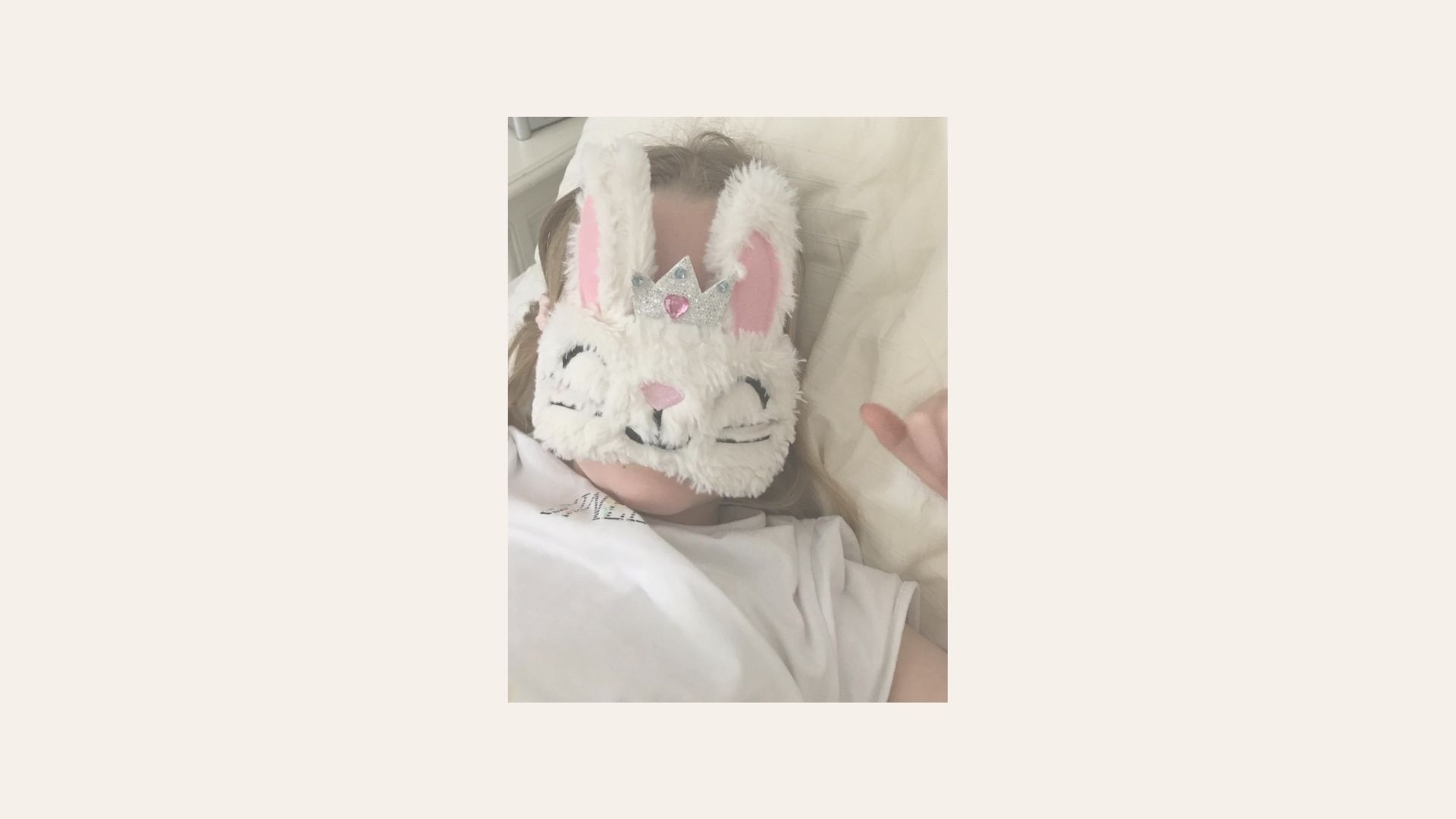
It was with great pleasure that we welcomed another group of amazing women into our Leadership Method, Coaching Edition this week.
Strong, bright, deeply caring women.
All with children roughly aged between 7–13 this time.
All with different stories, diagnoses and dilemmas, and yet, so much in common.
Once again, what stood out most was the compassion. The way these women supported each other. No judgement. Just understanding.
This week’s session focused on two key pieces of education:
• Behaviour is linked to biology and the body’s stress response
• One of the fastest ways to reduce that stress response and shift behaviour is through co-regulation
In simple terms, co-regulation means this:
your child can use you to reduce their stress.
And the science really matters here.
Children are not born with emotional regulation. Young children quite literally borrow ours. They pick up on our emotional state, our body, our tone, our urgency, our stress levels.
This isn’t just a nice idea, it’s well established in developmental neuroscience. In early childhood, a child’s brain is still developing, so they rely on a caregiver to help them manage big emotions. Through repeated experiences of being soothed, seen and supported, children slowly begin to internalise these skills for themselves.
As developmental researchers describe it:
“Sensitive, responsive caregiving supports the development of children’s emotional regulation by providing external regulation (co-regulation) during early childhood, which children gradually internalize as their own self-regulatory capacities mature.”
Morris et al., Development of Emotion Regulation (2017), Child Development Perspectives
So we explored something powerful:
How might these mums begin to shift from the version of themselves that shows up in stressful moments…
to a version that feels more confident, lighter, less tense, maybe even more humorous?
This is transformational work.
And it takes practice.
One story this week resonated with me deeply and brought me straight back to my own journey with my daughter.
A mum shared her ongoing bedtime battles.
A daughter who simply would not go to bed.
I could relate.
For years, this was my life too.
My daughter (now nearly 16) is a huge overthinker. And bedtime was when everything came out. All the worries. All the fears. All the thoughts.
Night after night we were stuck in cycles of tears, despair and meltdowns, hers and mine.
As bedtime approached, I could feel myself tightening.
I was already playing the familiar pattern in my head.
If she doesn’t sleep, she won’t go to school tomorrow.
Then I’ll face another battle in the morning.
What I didn’t realise at the time was the role I was playing.
I thought I needed to fix her behaviour.
But every night, here’s what was actually happening:
• I was catastrophising before it had even started, bringing my fear into the room
• I was working to my own agenda. I wanted her in bed ASAP so I could go downstairs, eat dinner with my husband and enjoy a few precious child-free hours
• I was running the same internal narrative – I’m done, I’m hungry, this isn’t fair, I want some Netflix time, why do I have to miss out
• I was working to a strict timeframe and she could feel that urgency
• I wasn’t present, my mind was on the day and my dinner
• And honestly… I didn’t want to hear her worries. I didn’t have the answers, and they felt too heavy at that time of night
What did she actually need?
A mum who was present.
Who could listen without judgement or trying to fix things quickly.
Who could simply validate how she felt.
It sounds simple.
But it requires a lot of self-awareness.
So I changed me.
I ate dinner earlier with her so I wasn’t hungry and rushing.
We created slower, more relaxed bath times – often turning them into our own little spa experience.
We went to bed knowing it would take as long as it took.
I listened to her downloads without trying to solve them. I found it hard at first and had to work on my own emotional boundaries.
We put on a meditation and listened together.
I stayed with her.
The result?
Evenings became relaxing.
I genuinely enjoyed that time. I loved our meditations.
Bedtime became easier… then shorter… then peaceful.
I did go back to eating dinner with my husband – just not every night. I realised I enjoyed eating with my kids, and I got to bed earlier on those nights too. I often wonder now why I was so fixed on my evening needing to look a certain way. But letting go of that agenda felt like losing control at first – and that was uncomfortable.
And I still put my daughter to bed now.
She still needs that space to download, process her day, and offload her thoughts before sleep.
It’s her time to reflect and reset.
None of this was rocket science.
But it took awareness.
Responsibility.
And a willingness to look at my own patterns.
Co-regulation is one of the most powerful tools we have as parents – and yet most of us are never taught how to use it.
Our January group is now full 💛
But if you’d like to work with us, there are now three different ways to do that.
Click here to find out more.
Contact Us!
Join our mailing list to receive the latest news and updates from our team.
Don't worry, your information will not be shared.
We hate SPAM. We will never sell your information, for any reason.