
Stiff upper lip? At your peril.
Oct 09, 2026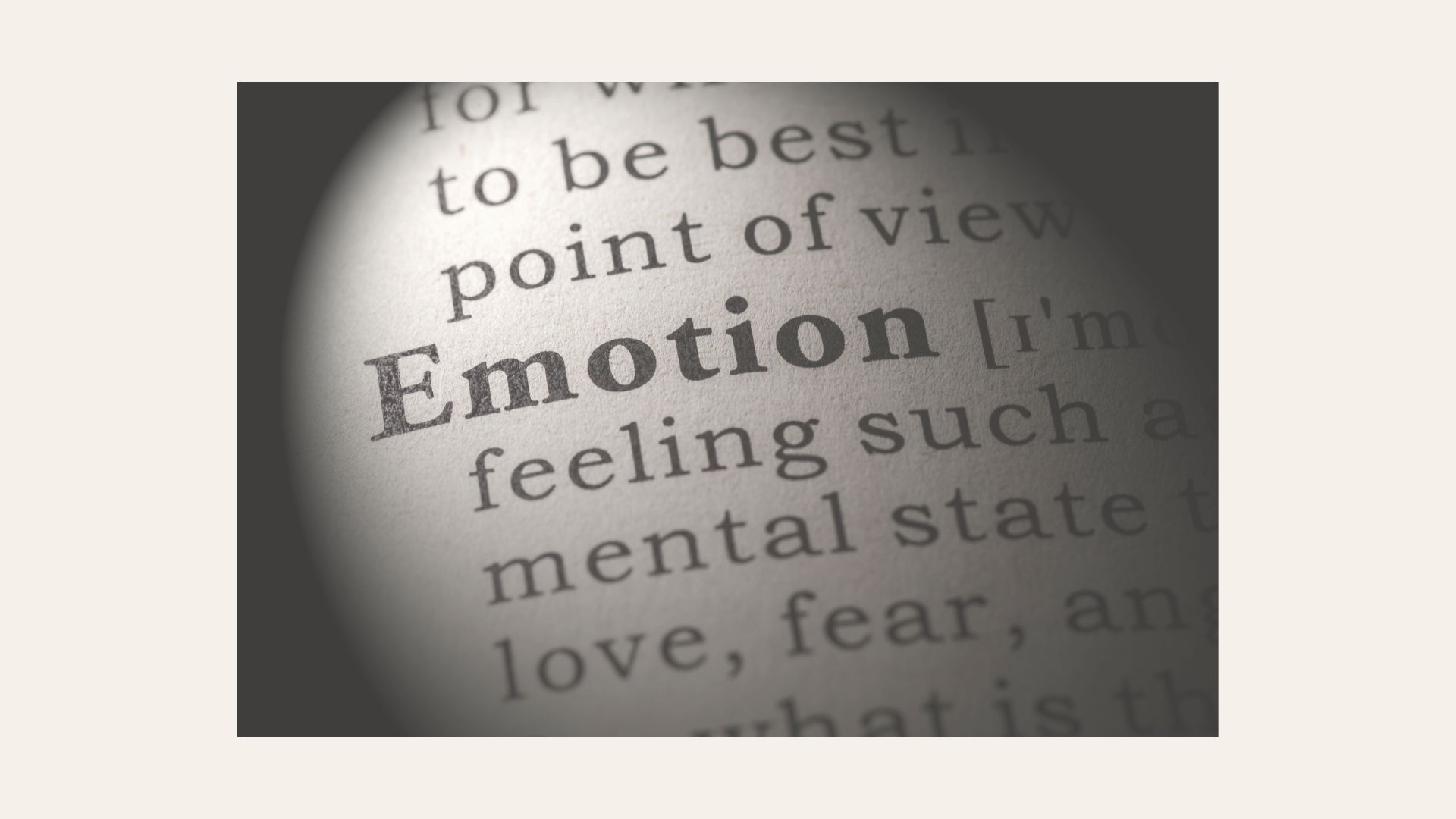
Laura and I were invited onto a podcast last week. The questions are always interesting and they make us reflect on everything we've been through over the last few years.
Our hosts asked us why emotional health is so important.
A decade ago I couldn't have answered that. I had never considered my emotional health. I didn't even know it was a thing.
Emotional health rarely gets on the radar. It gets bypassed by mental and physical health, even though all three are deeply connected. So when I was asked why it matters, my answer was simple: because it's everything. Without it we can't function properly or get the fullness out of life.
We all know now that we need to look after our bodies, keep a healthy weight, watch our blood pressure. But almost every choice we make about our physical health comes down to lifestyle, which means behaviour, and our behaviour is driven by our emotions. The glass of wine after the bedtime battle, the walk you skip because you're exhausted, the biscuits eaten standing at the counter. Most chronic disease is linked to a handful of behaviours like smoking, alcohol, diet and inactivity. We tend to see these as willpower problems when a lot of the time they're emotional ones.
Mental health is connected in the same way. I see mental health as brain health, and it's not the same as emotional health. Anxiety, for example, starts as an emotion. It's a normal response that we should be able to feel, process and move through. It becomes an anxiety disorder when we can't move through it and it starts running our lives. What often sits in between is how we handle the feeling. Research across anxiety, depression, eating disorders and OCD keeps finding the same patterns: avoiding the feeling, pushing it down, or going over and over it. Avoiding what makes us anxious brings instant relief, but it teaches the brain that the threat was real, so the anxiety comes back stronger. If we've never learnt what an emotion is or how to move through one, it's very hard to stop that cycle.
Our generation were experts at pushing feelings down. Stiff upper lip. Be a good girl. Stop crying. Don't be so sensitive. Nobody explained what we were feeling or what to do with it, so we learnt to keep it together and be the capable one, and we've been doing it for decades. And again, we see how tangled emotional, mental and physical health really are. James Gross at Stanford has shown that when we suppress a feeling, it disappears from our face but not from our body. The stress response stays switched on and our heart rate and blood pressure stay raised. Do that day after day, year after year, and it becomes part of our physical health. It's all connected, and without the emotional piece, the rest doesn't stand a chance.
Emotional health doesn't protect us from difficult feelings. It's the opposite. It allows us to feel them and move through them. But if we have no concept of what an emotion is, how to handle it, how to move through it, or how it affects every relationship and decision we make, we get stuck. So why is it still so low down our priority list? Why isn't it properly taught in schools, colleges, or to all of us who need it later in life? Not learning this means many of us never reach our full potential.
Laura and I have had the worst three years of our lives in many ways, but we've managed to thrive. The hard things didn't stop. We learnt what to do when they came. I put learning emotional health at the heart of that.
That's the work we do inside all our programmes - join us - see click below.
Emma
Contact Us!
Join our mailing list to receive the latest news and updates from our team.
Don't worry, your information will not be shared.
We hate SPAM. We will never sell your information, for any reason.